

Exfoliating Gel, Enzyme Peel and Peeling Mask for the Face
-

 Favorite
Luzern L'Essentials Micro-Exfoliant
Regular price From 27.00$Sale price From 27.00$ Regular priceUnit price perEarn 270 pointsFavorite -
Doctor Babor Pro AHA Overnight Peel
Regular price 110.00$Sale price 110.00$ Regular priceUnit price perEarn 1100 points -
Payot Nue Intense Peeling Mask
Regular price 62.50$Sale price 62.50$ Regular priceUnit price perEarn 620 points -
Aquafolia Enzymatic Exfoliant Step 2
Regular price 70.00$Sale price 70.00$ Regular priceUnit price perEarn 700 points -
Babor Gentle Exfoliating Cream
Regular price 43.00$Sale price 43.00$ Regular priceUnit price perEarn 430 points -
YON-KA Essentials Guarana Scrub
Regular price 72.00$Sale price 72.00$ Regular priceUnit price perEarn 720 points -
Payot Nue Grain-Free Gentle Scrub
Regular price 61.50$Sale price 61.50$ Regular priceUnit price perEarn 610 points -
Aquafolia AquaIMUNITA Cell Biotech Probio Exfoliant
Regular price 106.00$Sale price 106.00$ Regular priceUnit price perEarn 1060 points -
Is Clinical Tri-Active Exfoliating Mask
Regular price 137.00$Sale price 137.00$ Regular priceUnit price perEarn 1370 points -
YON-KA Mandarin/Sweet Orange - Vitality Sugar Scrub
Regular price 58.00$Sale price 58.00$ Regular priceUnit price perEarn 580 pointsSold out -
YON-KA Essentials YON-KA Scrub
Regular price 72.00$Sale price 72.00$ Regular priceUnit price perEarn 720 points -
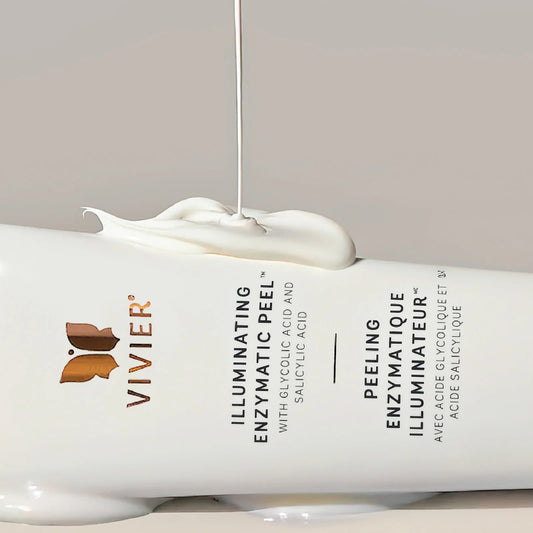
Vivier Enzymatic Illuminating Peeling
Regular price 126.00$Sale price 126.00$ Regular priceUnit price perEarn 1260 points -
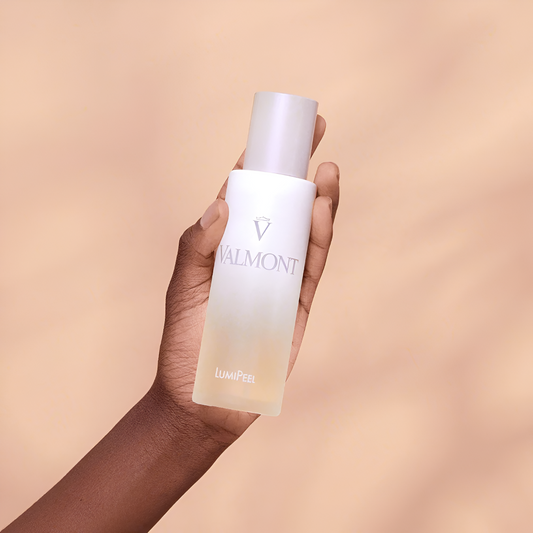
Valmont Lumipeel Radiance Peeling Lotion
Regular price 200.00$Sale price 200.00$ Regular priceUnit price perEarn 2000 points -
Payot Pâte Grise Renewing Peeling Serum
Regular price 75.50$Sale price 75.50$ Regular priceUnit price perEarn 750 points -
Payot Rituel Melting Body Scrub Cream
Regular price 48.00$Sale price 48.00$ Regular priceUnit price perEarn 480 points -
Esthederm Gentle Cellular Water Scrub
Regular price 40.00$Sale price 40.00$ Regular priceUnit price perEarn 400 points -
Doctor Babor Resurface Enzyme Micro-Peeling Balm
Regular price 70.00$Sale price 70.00$ Regular priceUnit price perEarn 700 points -
Esthederm Osmoclean Clarifying Gum Mask
Regular price 53.00$Sale price 53.00$ Regular priceUnit price perEarn 530 points -
GM COLLIN Intensive Exfoliating Gel
Regular price 64.00$Sale price 64.00$ Regular priceUnit price perEarn 640 points -
Valmont Face Exfoliant Revitalizing Exfoliating Cream
Regular price 145.00$Sale price 145.00$ Regular priceUnit price perEarn 1450 points -
Payot Granité Exfoliating Body Scrub
Regular price 48.00$Sale price 48.00$ Regular priceUnit price perEarn 480 points -
Aquafolia Enzymatic Exfoliant Step 1
Regular price 70.00$Sale price 70.00$ Regular priceUnit price perEarn 700 points -
Payot My Payot Micro-Exfoliating Radiance Essence
Regular price 42.00$ Regular price52.50$Sale price 42.00$ Regular priceUnit price per52.50$Earn 420 pointsSale -
Luzern L'Essentials Exfoliating Pads with AHA
Regular price 141.00$Sale price 141.00$ Regular priceUnit price perEarn 1410 points


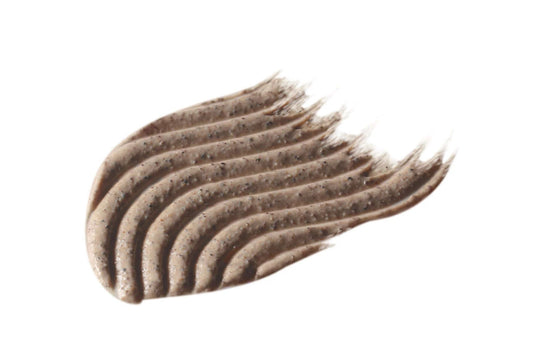





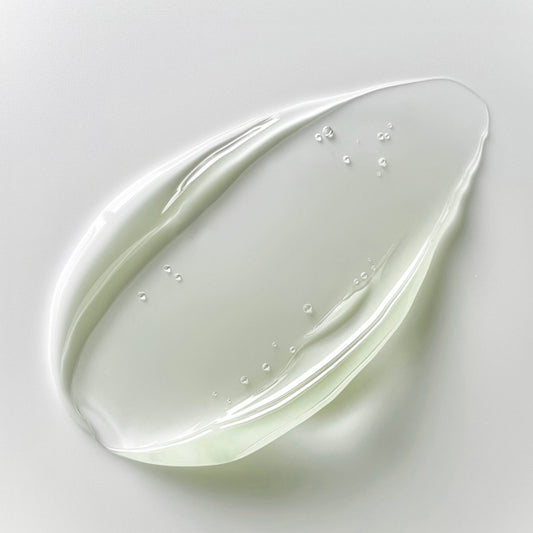


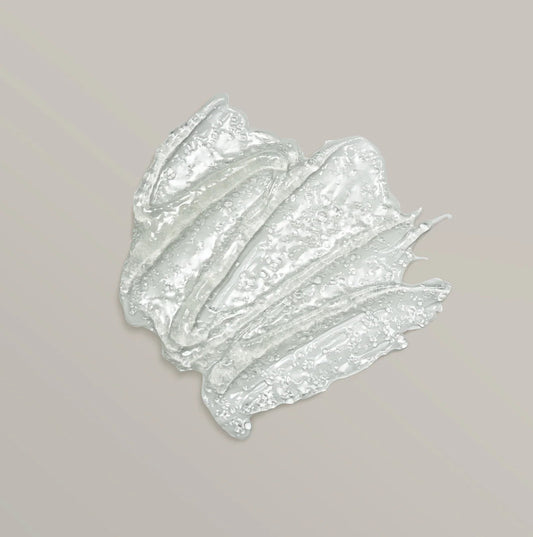




Exfoliating means lifting away the dead skin cells that build up on the surface and slow cell turnover. The step looks simple. It is in fact the one most often got wrong (too harsh, too often, or slotted into the wrong place in the routine).
This collection brings together the facial exfoliants we use in our treatment rooms: exfoliating gels, creams and powders, grain-free enzyme exfoliants, fruit-acid peeling masks and leave-on exfoliating lotions. It sits alongside the cleansers and makeup removers, toners, serums and masks in our facial skincare range. For the rest of the body, textures are coarser: see the body scrubs.
Learn more about face scrubs and exfoliants
The Three Ways to Exfoliate Facial Skin
Physical, chemical, enzymatic: three mechanisms, three levels of gentleness. None is better in the abstract: they simply suit different skins.
| Family | How it works | Who it suits |
|---|---|---|
| Physical scrub | Particles lift dead skin cells away by friction | Normal to oily, thicker skin |
| Chemical exfoliation | Acids dissolve the bonds holding cells together | Dull, pigmented, blemish-prone skin |
| Enzyme exfoliation | Enzymes digest the keratin in dead cells | Sensitive, reactive, thin skin |
Physical Scrubs and the Limits of Grains
A grain scrub works by abrasion, and everything depends on particle shape: irregular grains (crushed kernels, shells) scratch the surface, while spherical jojoba or cellulose beads roll without nicking it. That is the difference between the YON-KA Essentials Guarana Scrub, brisk and invigorating, and the Babor Gentle Exfoliating Cream, noticeably softer.
The application rule fits in one line: glide, never scrub hard.
Chemical Exfoliation: AHAs, BHAs and PHAs
Acids scrape nothing. They break the bonds holding dead cells to one another and let desquamation happen on its own.
AHAs are water-soluble and work at the surface. Glycolic acid, the smallest, penetrates quickly and acts on skin texture and radiance; lactic acid is slower, more hydrating, better tolerated; mandelic acid, with its large molecule, suits reactive and pigmented skin. BHA (salicylic acid) is oil-soluble: it travels down into sebum and clears congested pores, which makes it the active of choice for oily skin. PHAs, the bulkiest of the three, stay at the surface and are the best tolerated. The Vivier AHA/BHA Exfoliating Cream, the Luzern L'Essentials AHA Exfoliating Pads and the YON-KA Specifics Alpha-Peel belong to this family.
The smaller the molecule, the faster it travels, and the more care it asks for.
Enzyme Exfoliants: Resurfacing Without Friction
This is the gentlest route, and the least understood. Plant enzymes (papain from papaya, bromelain from pineapple) digest the keratin in dead cells without touching living ones and without any friction at all. Nothing scratches, nothing stings.
An enzyme exfoliant therefore suits the skins that grains and acids defeat: sensitive skin, dehydrated skin, thin skin, diffuse redness. The Aquafolia Enzymatic Exfoliant Step 1 and Step 2, the Vivier Enzymatic Illuminating Peel, the G.M. COLLIN Exfozyme and the Doctor Babor Resurface Enzyme Micro-Peeling Balm all work this way.
Not Sure Which of the Three Families Suits You?
Skin that reddens after a scrub is not skin getting used to it. Our estheticians assess your tolerance in the treatment room, and every order earns you $20 toward a treatment.
Exfoliating Gel, Cream, Powder or Peeling Mask: Choosing a Texture
For the same mechanism, texture changes the dwell time, the feel, and where the step belongs in your routine.
Exfoliating Gels and Jellies
An exfoliating gel goes on clean, damp skin, is massaged briefly and rinsed off. Its water base leaves no greasy film, which explains its popularity with combination and oily skin. The G.M. COLLIN Intensive Exfoliating Gel, the Image Skincare Ormedic Balancing Gel Exfoliant and the Payot Nue Exfoliating Oil Jelly cover the three variants: a straight gel, a balancing gel, and a jelly that turns to oil.
One useful note on so-called roll-off gels: the pills that form as you massage are not your dead skin cells, they are the gum in the formula coagulating. The real exfoliation comes from the acids alongside it.
Peeling Masks and Leave-On Exfoliating Lotions
A peeling mask stays in place for five to ten minutes and concentrates its action without you doing anything: it is the most comfortable format for sustained chemical exfoliation. The Payot Nue Intense Peeling Mask, the iS Clinical Tri-Active Exfoliating Masque and the Image Skincare Ageless Total Resurfacing Masque belong here.
An exfoliating lotion, by contrast, is swept on with a cotton pad at night and left on: the Valmont Lumipeel Radiance Peeling Lotion and the G.M. COLLIN Peel Toner Exfoliant work this way. Because exposure runs longer, next morning's sunscreen is not optional.
Exfoliating Powders and Pre-Soaked Pads
Powder activates in your palm with a few drops of water: you set the strength yourself, and the anhydrous formula needs no preservatives. The G.M. COLLIN Active Exfoliant Powder and the Image Skincare Iluma Intense Brightening Exfoliating Powder work this way. Pre-soaked pads such as the Doctor Babor Resurface Exfoliating Discs give an exact dose with no measuring: convenient, but less adjustable.
Choosing a Gentle Exfoliant for Your Skin Type
A gentle exfoliant is not a weak one. It is an exfoliant whose intensity matches what your skin barrier can absorb.
Dry skin tolerates grains poorly and does better with lactic acid or a cream such as the Swiss Line Force Vitale Gentle Exfoliant. Oily skin benefits from salicylic acid, which works inside the pore. Sensitive skin should start with enzymes or a grain-free scrub: the Payot Nue Grain-Free Gentle Scrub was built for exactly that. Mature skin gains from exfoliating regularly, because cell turnover slows with age; first lines follow the same logic, more lightly. If you are still unsure, browsing by skin type filters the catalogue by concern.
How Often to Exfoliate, and How to Spot Over-Exfoliated Skin
Once or twice a week. That is the answer for the great majority of skins, and it does not change because a product calls itself daily.
Where Exfoliation Belongs in the Routine
After cleansing, on clean skin, never after moisturizer: an exfoliant applied over an occlusive film never reaches the skin. At night, ideally, and never on the same night as retinol: both speed up cell turnover, and stacking them does not double the results, it doubles the irritation. Alternate nights instead. Follow with a toner, a repairing serum or an ampoule, then a cream: freshly exfoliated skin absorbs more readily.
The Signs of a Damaged Skin Barrier
This is the problem our estheticians see most often, and it does not look the way people expect. Over-exfoliated skin does not always flake: it turns shiny and slick (the false glow of tight skin), it stings when you apply products it tolerated last week, it reddens, and it dehydrates even as you pile on more care. The instinctive response, exfoliating harder to clean it up, makes worse precisely what it claims to fix. What to do instead: stop everything for two to three weeks, keep only a gentle cleanser, a repairing cream and sunscreen, then restart at once a week. The eye contour, the thinnest skin on the face, is never exfoliated.
Free Shipping on Orders Over $75 Across Canada
One well-chosen exfoliant beats three that work against each other. Tell us about your skin and its current tolerance, and our advisors will point you to a single texture. Our gift sets already combine several steps from one range.
The Exfoliant Brands We Use at Spa Infinima
We only sell what we use in the treatment room, which explains both the brands we carry and the ones we do not. Enzyme exfoliation comes mainly from Aquafolia, Quebec-based G.M. Collin and Babor. Acid peels come from Payot, Yon-Ka and its Alpha-Peel, Valmont and Swiss Line. Phytomer and Esthederm work the gentler textures, while iS Clinical, Jan Marini, Vivier, Luzern and Image Skincare offer medical-grade strengths for skin already used to strong actives. Our article on how to work vitamin C, hyaluronic acid and niacinamide into your routine sets out which pairings to avoid on an exfoliation night. For the body, textures are blunter.
Frequently Asked Questions About Face Scrubs and Exfoliants
What is the difference between a scrub and a peel?
A scrub works by friction: grains mechanically lift dead skin cells away as you massage. A peel works by chemistry: acids break the bonds between cells and let desquamation happen on its own, with no rubbing. A scrub gives an immediate, surface-level result; a peel works deeper and more gradually. Sensitive skin generally tolerates an enzyme peel far better than a grain scrub.
How often should you use an exfoliating gel on your face?
Once or twice a week is enough for most skin. Oily, thicker skin can go to three times, while sensitive skin should stay at one, or even one every two weeks with an enzyme formula. Frequency matters more than the product: a gentle exfoliant used every day damages the skin barrier more than a strong exfoliant used once a week.
Can you use an exfoliant with retinol or vitamin C?
Not on the same night. Retinol and exfoliating acids both speed up cell turnover, and combining them multiplies the risk of redness and stinging without improving the result. Alternate instead: retinol one night, exfoliant another. Vitamin C belongs in the morning, well away from the previous night's exfoliation. In every case, daily sunscreen is essential, because freshly exfoliated skin is more sensitive to UV.
How do you know if your skin is over-exfoliated?
Four signs come up consistently: an unusual shine on skin that looks slick and tight, stinging when you apply products you normally tolerate, persistent redness, and a dehydrated feeling that no amount of moisturizer settles. If you recognize two of these, stop all exfoliation for two to three weeks, keep to a gentle cleanser, a repairing cream and sun protection, then restart at once a week.
