

Face Serums: The Format Built to Carry Actives
-
Misencil Eyelash and Eyebrow Boosting Serum
Regular price 89.00$Sale price 89.00$ Regular priceUnit price perEarn 890 points -
Coola Refreshing Water Plumping Gel Serum SPF 30
Regular price 78.00$Sale price 78.00$ Regular priceUnit price perEarn 780 points -
Esthederm Intensive Hyaluronic + Serum
Regular price 118.00$Sale price 118.00$ Regular priceUnit price perEarn 1180 points -
Doctor Babor Pro Vitamin C-20 Serum
Regular price 185.00$Sale price 185.00$ Regular priceUnit price perEarn 1850 points -
Doctor Babor Pro Hyaluronic Acid Filling Serum
Regular price 140.00$Sale price 140.00$ Regular priceUnit price perEarn 1400 points -
Image Skincare Clear Cell Radiance Activating Serum
Regular price 90.00$Sale price 90.00$ Regular priceUnit price perEarn 900 points -
Is Clinical GeneXC Serum
Regular price 245.00$Sale price 245.00$ Regular priceUnit price perEarn 2450 points -
Jan Marini C-ESTA Serum
Regular price 190.00$Sale price 190.00$ Regular priceUnit price perEarn 1900 points -
Payot Source Adaptogenic Rehydrating Serum
Regular price 83.00$Sale price 83.00$ Regular priceUnit price perEarn 830 points -
Aquafolia AquaIMUNITA Cell Biotech Probio Eye Serum
Regular price 120.00$Sale price 120.00$ Regular priceUnit price perEarn 1200 points -
Aquafolia Triple Action 3A Intensive Regulatory Complex
Regular price 78.00$Sale price 78.00$ Regular priceUnit price perEarn 780 points -
Esthederm Intensive Hyaluronic + Eye Contour Serum
Regular price 78.00$Sale price 78.00$ Regular priceUnit price perEarn 780 points -
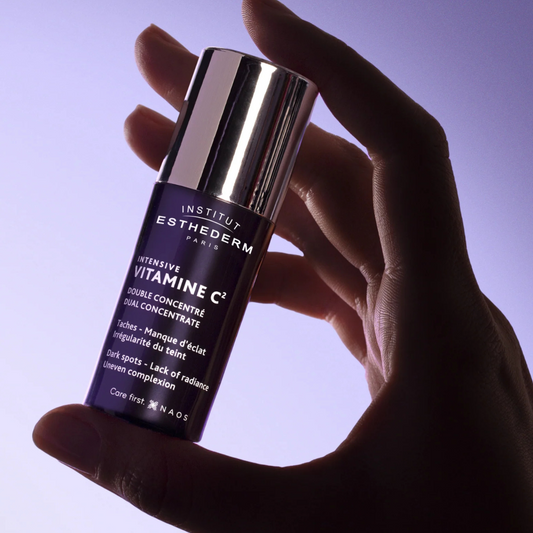
Esthederm Intensive Vitamin C Double Concentrated Serum
Regular price 62.00$Sale price 62.00$ Regular priceUnit price perEarn 620 points -
Doctor Babor Pro Boswellic Concentrate
Regular price 72.00$ Regular price120.00$Sale price 72.00$ Regular priceUnit price per120.00$Earn 720 pointsSale -
Babor Skinovage Revitalizing Serum
Regular price 54.00$ Regular price90.00$Sale price 54.00$ Regular priceUnit price per90.00$Earn 540 pointsSale -
Image Skincare Ageless Complete Anti-Aging Serum
Regular price 144.00$Sale price 144.00$ Regular priceUnit price perEarn 1440 points -
Image Skincare Ageless Pure Hyaluronic Acid Total Serum
Regular price 138.00$Sale price 138.00$ Regular priceUnit price perEarn 1380 points -
Jan Marini Transformation Serum
Regular price 190.00$Sale price 190.00$ Regular priceUnit price perEarn 1900 points -
Jan Marini Hyla3D Face Serum
Regular price 180.00$Sale price 180.00$ Regular priceUnit price perEarn 1800 points -
Luzern Absolut Radiance Serum
Regular price 268.00$Sale price 268.00$ Regular priceUnit price perEarn 2680 points -
Swiss Line Force Vitale Aqua-Calm Serum-Oil
Regular price 138.00$ Regular price230.00$Sale price 138.00$ Regular priceUnit price per230.00$Earn 1380 pointsSale -
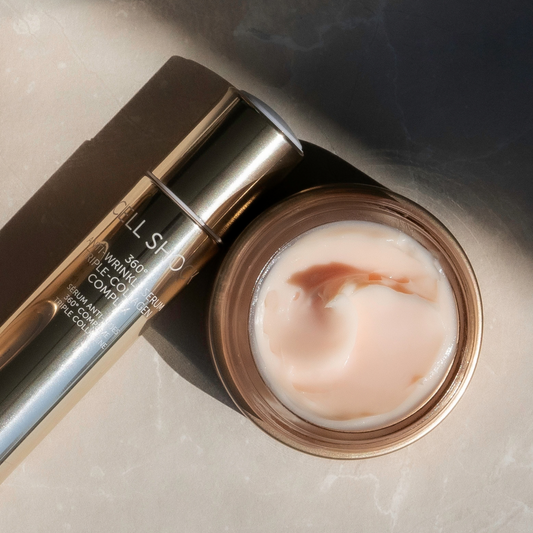
Swiss Line Cell Shock Anti-Wrinkle Serum 360 Triple Collagen Complex
Regular price 350.00$Sale price 350.00$ Regular priceUnit price perEarn 3500 points -
Luzern Absolute Serum V15+
Regular price 245.00$Sale price 245.00$ Regular priceUnit price perEarn 2450 points -
Luzern Absolut WE3 Serum
Regular price 254.00$Sale price 254.00$ Regular priceUnit price perEarn 2540 points









A face serum is not a thinner moisturizer. It is a delivery format built for one job: carrying a high load of active ingredients to where they work, without the texturizing agents that weigh a cream down. The fluidity is not a comfort feature: it is what the formula costs.
This collection brings together the face serums from the professional and medical-grade lines we use in the treatment rooms at Spa Infinima, our skincare centre in the Quebec City region. There are two ways to read it: by active ingredient (hyaluronic acid, vitamin C, retinol, niacinamide, peptides) or by skin concern. Neighbouring formats have collections of their own: ampoules for short courses, moisturizers to seal, masks for targeted treatment, and eye care for an area that needs a texture of its own. The full range sits in our facial skincare collection.
Learn more about face serums
What a Serum Does That a Moisturizer Cannot
The difference is purpose, not viscosity. A moisturizer works at the surface: it supplies lipids, limits water loss and closes the skin barrier. A serum carries a high concentration of actives in a light vehicle, designed to move through the upper layers rather than sit on them. Hence the sequencing rule: serum before cream, never the reverse. Applied over a film that is already in place, a serum crosses nothing and its actives are wasted. The serum targets, the cream seals, and the two together beat either one doubled. If your routine can only carry one active product, the serum is the one that shows.Serum, Ampoule or Concentrate: Three Formats, Three Jobs
The three words get used interchangeably. They are not the same thing.| Format | What defines it | Rhythm |
|---|---|---|
| Serum | Active concentrate in a pump or dropper bottle, dosed for continuous use | Daily, morning, evening or both |
| Ampoule | Sealed single dose, higher concentration, no surplus preservative | 7- to 28-day course, following a professional treatment |
| Concentrate | Heavily loaded formula on a single axis — firmness, radiance, soothing | As a booster, alone or under your usual serum |
