Sunscreen and Sunblock: Choosing Your SPF and Your Filters

Sunscreen is the only skin care product judged by what it prevents. It is also the one most often misused: too little product, applied once a day, and only in summer. Without daily SPF, the rest of your routine is working against the current, correcting in the morning what exposure undoes by mid-afternoon. This collection brings together 63 professional sunscreens for face, body and lips: mineral and chemical filters, SPF 25 to 50+, fluid textures, sticks, mists and powders. These are the same sun protection formulas our estheticians use in the treatment room at Spa Infinima, our institute in the Québec City region. They complete the face care routine: cleansers, toners, serums, moisturizers, masks and eye care.
Learn more about sun protection

Mineral or Chemical Filters: The Real Difference

This is the first question we get in the treatment room, and the answer is not "mineral is better." Both families protect; they simply do not go about it the same way. A mineral filter (zinc oxide or titanium dioxide) sits on the surface and reflects radiation. It works on contact, does not penetrate, and rarely triggers a reaction. A chemical filter absorbs radiation and dissipates it as heat. It needs about twenty minutes to reach full effectiveness, but it spreads invisibly and wears better under makeup.

When to Choose a Mineral Sunscreen

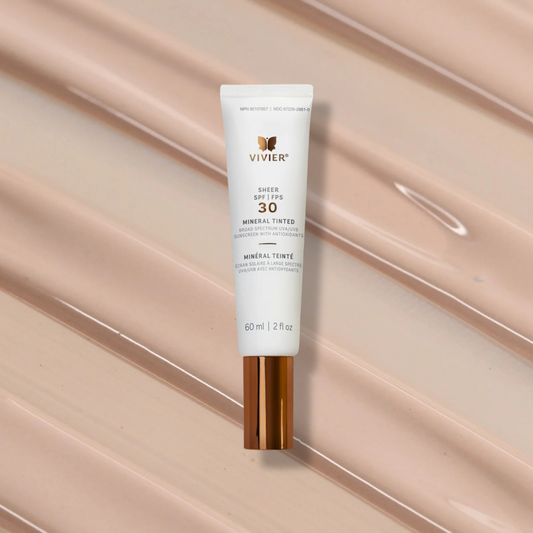
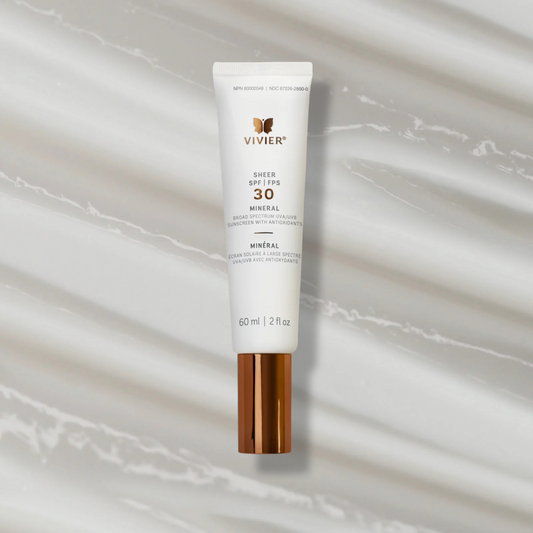
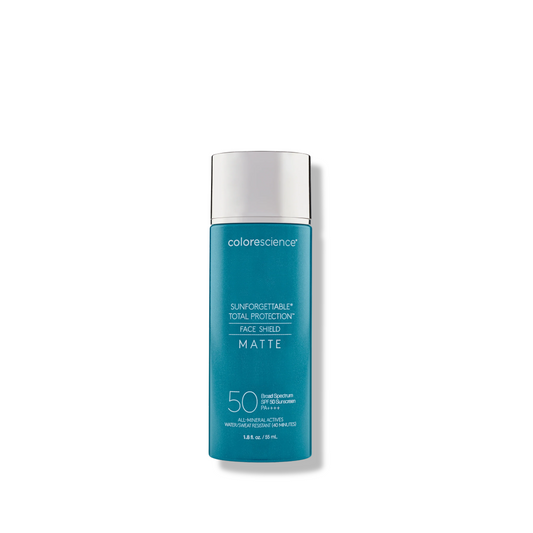
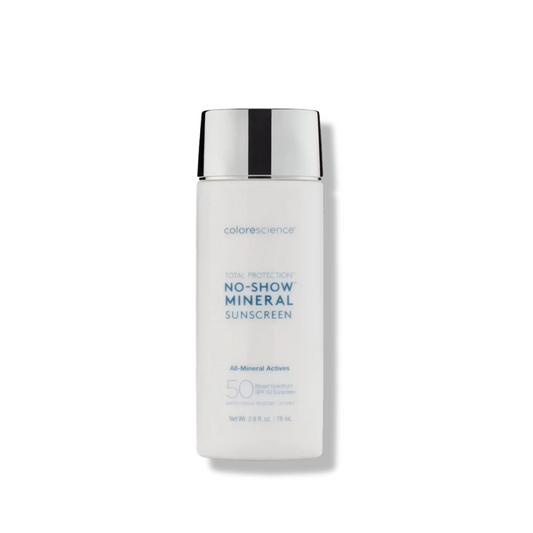
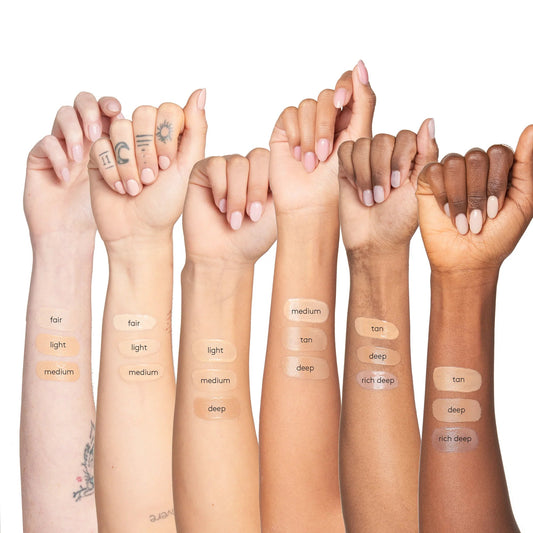
A mineral sunscreen is the right call in four situations: sensitive or reactive skin, acne-prone skin that tolerates occlusive formulas poorly, skin recovering from an esthetic treatment, and pigmented skin prone to melasma. The heat released by chemical filters can sustain hyperpigmentation. The classic complaint about mineral formulas, the white cast, has largely disappeared from professional lines. Micronized oxides and lightly tinted versions from Colorescience, Vivier and Tizo finish neutral on most skin tones.

What Chemical Filters Do Better

On oily or combination skin, a fluid chemical-filter texture leaves an invisible finish few mineral formulas can match. It is also the practical choice for daily city wear, when sunblock has to disappear under a base of foundation. The best sunscreen is still the one you put on every day without thinking about it.

What SPF Measures, and What It Does Not

SPF measures protection against UVB, the rays responsible for sunburn. On its own it says nothing about UVA, which penetrate more deeply and drive skin aging. A high number alone is therefore not enough to qualify as good sun protection.

SPF 30 vs SPF 50: The Actual Gap

SPF 50 does not protect "almost twice as well" as SPF 30. The gap in the percentage of radiation filtered is small, and it closes entirely if you apply too little. A poorly applied SPF 50 protects less than a properly applied, properly reapplied SPF 30. The number only matters at equal quantity.

Broad Spectrum: The Wording That Counts as Much as the Number

Look for broad spectrum on the label: that is what tells you the product protects against both UVA and UVB, not UVB alone. In Canada, sunscreens are regulated as health products: every container carries a DIN or an NPN issued by Health Canada, and the SPF shown corresponds to a standardized test method. No ordinary cosmetic carries that guarantee.

Not Sure Which Filter Suits Your Skin?

One minute of advice saves a sunscreen from dying at the back of a drawer. Our advisors will steer you by skin type, skin tone and the way you will actually use it.

Quantity and Reapplication: The Step Almost Everyone Gets Wrong

This is where most of the advertised protection is lost. The reference amount for face and neck is roughly half a teaspoon, noticeably more than what most people spread on. For the body, think of a shot-glass worth. Reapplication happens every two hours of exposure, and after every swim or heavy sweat. A water resistant claim indicates how long the product keeps working in wet conditions, not that it is waterproof. The forgotten zones are always the same: ears, the tops of the feet, the back of the neck, the backs of the hands, the lip line and the hair part. The SPF lip balms in this collection take care of the last one.

Choosing Your Sunscreen by Use

No single format covers every situation. This collection is built around four distinct uses.

Tinted Sunscreen and Protection Under Makeup

A tinted sunscreen does two jobs: it protects and it evens out skin tone, often enough to replace a light foundation. The benefit is twofold, because the pigments add protection against visible light, useful for skin prone to dark spots. Tinted formulas wear on their own or as a base under makeup and concealer.

Sunscreen Stick and Powder: The Midday Touch-Up

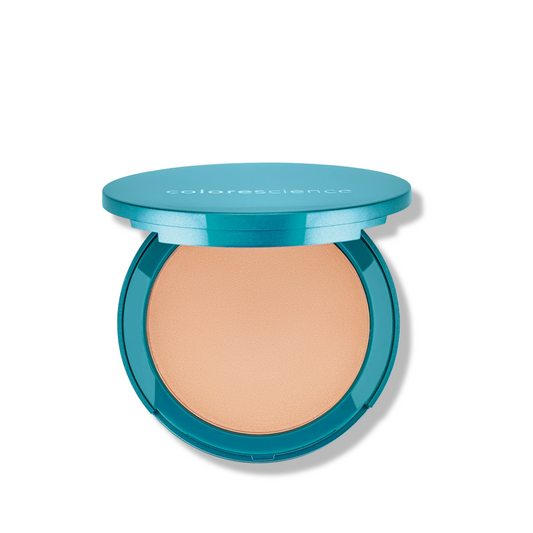
The real obstacle to reapplication is the makeup already in place. A sunscreen stick or a mineral SPF powder goes right over top, disturbs nothing, and takes ten seconds. It is the format that fits in a bag and makes the difference between theoretical and actual protection.

Sport Sunscreen: Water and Sweat Resistance

For cycling, running or the beach, a sport sunscreen has to meet three criteria: water resistance, a texture that will not run into your eyes, and a body format large enough that you are not rationing it. The SPF 50 body sprays and lotions in this collection answer that need.

Baby Sunscreen and Young Skin: What to Check

For the youngest children the order of protection is reversed: shade, covering clothes and a hat first, sunscreen second. Health Canada recommends avoiding direct exposure before six months rather than applying a product. Beyond that age, a baby sunscreen should be mineral, fragrance-free and broad spectrum: the same criteria as for reactive adult skin. Our fragrance-free mineral formulas meet those criteria, but our catalogue does not currently include a line made specifically for children: ask us before ordering for a child.

After Sun: Soothing What Was Exposed

Exposure dehydrates, even without visible redness. An after sun is not an ordinary moisturizer: it pairs soothing agents with a higher water load, to limit the discomfort and peeling that follow. A good after sun care product does not replace sun protection: it repairs what protection missed. Apply it to warm skin after a shower, while the skin is still slightly damp. It also extends a tan, simply because supple skin flakes more slowly. For skin that feels tight after a holiday, hand off to a hydrating mask or a gentle exfoliant once the sensitivity has settled.

The Sun Care Brands Used in the Treatment Room at Spa Infinima

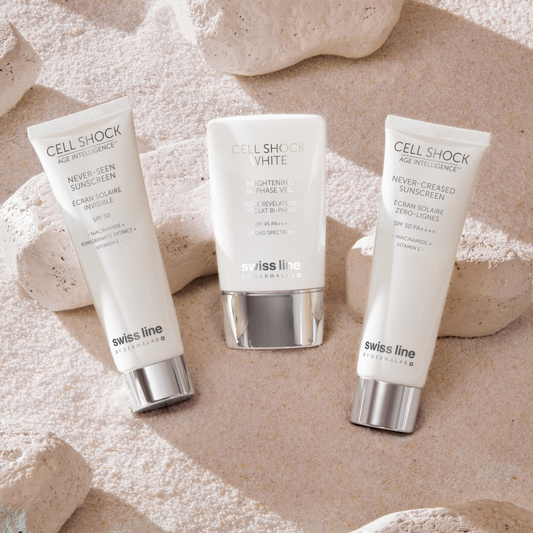
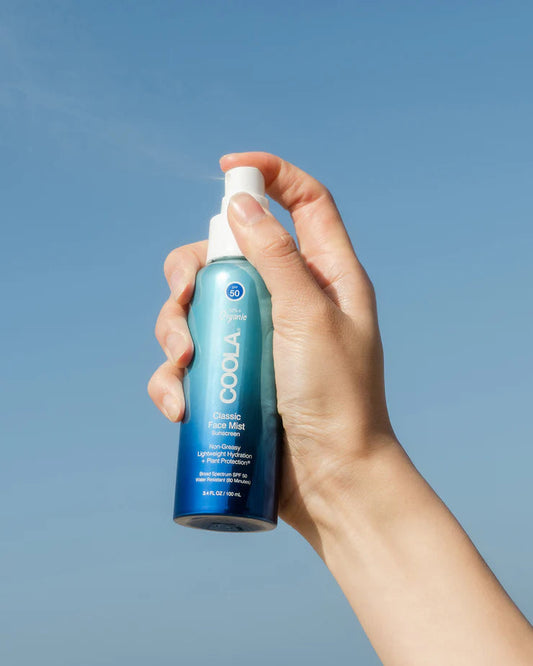
We only sell the sun care we use in the institute, which explains the absence of certain brands you see everywhere in drugstores. Esthederm offers the deepest range, with Adaptasun, Sun Sublime and No Sun Mineral, gathered in our Esthederm sun collection. Colorescience leads on tinted minerals and touch-up powders; Tizo and Vivier cover medical-grade zinc oxide. Coola brings the organic body formulas, while G.M. Collin and Aquafolia are made in Québec: both found in our Canadian products. Babor and Swiss Line build protection into their anti-aging care, relevant for mature skin and first lines. Jack Black covers men's skin and Nuda sunless tanning.

Free Shipping on Orders Over $75 Across Canada

Sunscreen should be bought alongside the treatment it protects. Every order earns you $20 toward a treatment at Spa Infinima, and our gift sets already pair several steps of the same line. Body sun care continues in the body collection.

Frequently Asked Questions About Sunscreen

Do I need sunscreen in winter in Québec?

Yes, for two reasons. UVA pass through clouds and window glass all year long, and they are the rays that drive skin aging. On top of that, snow reflects a significant share of radiation back toward the face, a real factor when skiing or walking in winter. A daily SPF 30 on the face is enough in winter; save SPF 50 for days of prolonged exposure.

What is the difference between a mineral sunscreen and a chemical sunscreen?

A mineral sunscreen uses zinc oxide or titanium dioxide, which stay on the surface and reflect radiation. It works immediately and suits sensitive, reactive or recently treated skin. A chemical sunscreen absorbs radiation and converts it into heat; it needs about twenty minutes before it is effective, but its texture is lighter and easier to wear under makeup. Both protect, provided the label says broad spectrum.

Should sunscreen go on before or after moisturizer?

After. Sunblock is the last step of your morning routine, once serum and moisturizer have absorbed, and before makeup. A chemical filter needs contact with the skin without being diluted by a layer applied over it. Leave a minute or two between products rather than stacking them immediately.

How often should sunscreen be reapplied?

Every two hours of exposure, and immediately after swimming or heavy sweating. On an office day with no direct exposure, a single morning application is reasonable. If makeup makes reapplication awkward, a sunscreen stick or a mineral SPF powder lets you touch up over top without redoing your complexion.