

Face Toner: Professional Toners, Essences and Mists Tested in Our Treatment Rooms
-
Jan Marini Bioclear Lotion
Regular price 145.00$Sale price 145.00$ Regular priceUnit price perEarn 1450 points -
Esthederm Osmoclean Rehydrating and Desensitizing Care Lotion
Regular price 44.00$Sale price 44.00$ Regular priceUnit price perEarn 440 points -
Jan Marini Regeneration Booster Lotion
Regular price 340.00$Sale price 340.00$ Regular priceUnit price perEarn 3400 points -
YON-KA Essentials Lotion for Dry Skin
Regular price From 27.00$Sale price From 27.00$ Regular priceUnit price perEarn 270 points -
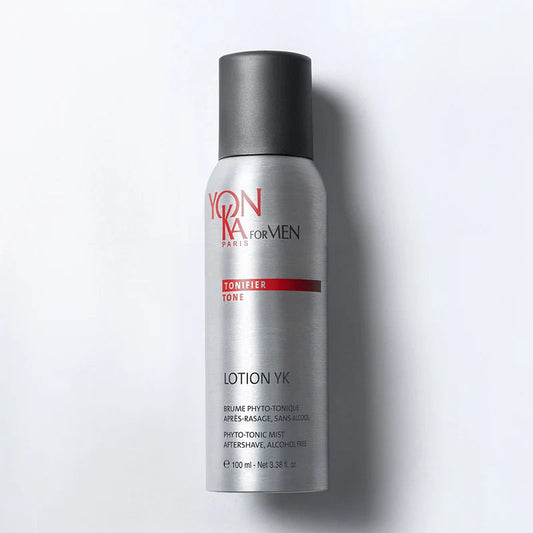
YON-KA For Men YON-KA Lotion (After-Shave)
Regular price 42.00$Sale price 42.00$ Regular priceUnit price perEarn 420 points -
YON-KA Essentials Lotion for Normal to Oily Skin
Regular price From 27.00$Sale price From 27.00$ Regular priceUnit price perEarn 270 points -
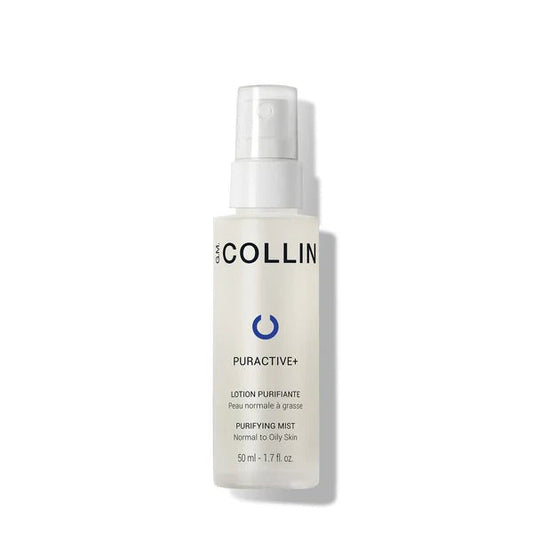
GM COLLIN Puractive+ Purifying Lotion
Regular price From 20.00$Sale price From 20.00$ Regular priceUnit price perEarn 200 points -
GM COLLIN Sensiderm Soothing Lotion
Regular price 52.00$Sale price 52.00$ Regular priceUnit price perEarn 520 points -
GM COLLIN Hydramucine Moisturizing Lotion
Regular price 52.00$Sale price 52.00$ Regular priceUnit price perEarn 520 points -
Jan Marini RosaLieve Lotion
Regular price 160.00$Sale price 160.00$ Regular priceUnit price perEarn 1600 points -
Jan Marini Luminate Lotion
Regular price 178.00$Sale price 178.00$ Regular priceUnit price perEarn 1780 points -
Cellcosmet CellLift Energizing Cellular Lotion Essence
Regular price 412.00$Sale price 412.00$ Regular priceUnit price perEarn 4120 points -
Payot Nue Radiance Toning Lotion
Regular price From 24.40$ Regular price30.50$Sale price From 24.40$ Regular priceUnit price per30.50$Earn 240 pointsSale -
Aquafolia AquaIMUNITA Cell Reboost Lotion
Regular price 180.00$Sale price 180.00$ Regular priceUnit price perEarn 1800 points -
Payot Optimale Soothing After Shave Lotion
Regular price 51.00$Sale price 51.00$ Regular priceUnit price perEarn 510 points -
Cellcosmet Active Tonic Revitalising Toner
Regular price 182.00$Sale price 182.00$ Regular priceUnit price perEarn 1820 points -
Swiss Line Cell Shock White Radiance Revealing Diamond Essence
Regular price 257.00$Sale price 257.00$ Regular priceUnit price perEarn 2570 points -
Swiss Line Cell Shock Energizing Facial Essence
Regular price 236.00$Sale price 236.00$ Regular priceUnit price perEarn 2360 points -
Swiss Line Cell Shock Age Intelligence Resurfacing Water
Regular price 199.00$Sale price 199.00$ Regular priceUnit price perEarn 1990 points -
Swiss Line Cell Shock Age Intelligence The Revitalizing Water
Regular price 113.00$Sale price 113.00$ Regular priceUnit price perEarn 1130 points -
Luzern The Essentials Essence
Regular price From 42.00$Sale price From 42.00$ Regular priceUnit price perEarn 420 points -
Cellcosmet Cellmen Cellsplash Invigorating Cellular Tonic
Regular price 255.00$Sale price 255.00$ Regular priceUnit price perEarn 2550 points -
Babor Soothing Rose Tonic
Regular price 52.00$Sale price 52.00$ Regular priceUnit price perEarn 520 points -
Payot Nue Gentle Tonic Mist for Face and Eyes
Regular price 42.50$Sale price 42.50$ Regular priceUnit price perEarn 420 points












It is the first step people drop when they are short on time, and the one whose purpose is least understood. A face toner is not a second cleanse: it returns skin to its balance pH after cleansing and prepares it to absorb whatever comes next.
This collection gathers the toners, essences and mists we use in our treatment rooms. It sits between the cleansers and makeup removers and the serums, ampoules and moisturizers in our facial skincare range. Four words circulate for products that are close but not identical (toner, thermal water, floral water, mist) and that is where to begin.
Learn more about face toners and thermal water
Toner, Thermal Water, Floral Water or Mist: What Actually Separates Them
All four go on after cleansing, all four are liquid, and that is roughly where the similarity ends. Where the liquid comes from, and how much active sits in it, changes entirely what you can expect.
| Product | What it is | What it does |
|---|---|---|
| Face toner | A formulated cosmetic: water, actives, sometimes mild acids | Rebalances pH, preps absorption, targets a concern |
| Thermal water | Mineral-rich spring water, bottled as drawn | Soothes and refreshes, with no targeted action |
| Floral water (hydrosol) | The distillate left after steaming a plant | Soothes and tones, mildly active depending on the plant |
| Mist | A pump bottle, not a category | Depends entirely on the liquid inside it |
Face Toner: Rebalancing pH After Cleansing
Skin sits at a slightly acidic pH, around 5. Any cleanser, however gentle, pushes that number up for roughly thirty minutes, and during that dip the acid mantle protects least well. A face toner shortens the gap instead of leaving skin to close it alone.
The second job is mechanical: slightly damp skin lets the serum that follows absorb more readily. That is why a toner goes onto skin you have not patted dry, and why you move straight on. The Payot Nue Radiance Toner, the Valmont Vital Falls Softening Revitalizing Toner and the Vivier Refreshing Toner belong to this family.
Thermal Water: Mineral Spring Water, Bottled As Drawn
Thermal water is groundwater captured at source, and its value lies entirely in its mineral and trace-element load: silica, calcium, selenium, depending on the spring. It soothes and refreshes, but carries no added active and no targeted action: a comfort product, not a treatment.
It is worth saying plainly: we do not carry thermal water. Thermal waters are pharmacy products, and our selection is limited to the professional brands we use in the treatment room. If soothing and freshness are what you are after, the mists and treatment waters in this collection (the Swiss Line Cell Shock Age Intelligence L'Eau Bienfaisante, the Payot Nue Gentle Toning Mist for Face and Eyes) do the same job with considerably more active in them.
Floral Water and Rose Water: Plant Distillates
Floral water and hydrosol name the same thing: the water recovered after steam passes through a plant, carrying the aromatic molecules it picked up along the way. Rose water is the most sought after, for its toning effect on dull skin; cornflower suits the eye area, witch hazel tightens the look of pores, orange blossom soothes.
A hydrosol therefore sits above thermal water and below a formulated toner. In our ranges, that botanical logic tends to arrive built into complete formulas (the Babor Soothing Rose Toner, the G.M. COLLIN Phytoaromatic) rather than sold as a pure distillate.
Facial Mist: A Format Rather Than a Category
A facial mist is a delivery method. The bottle can hold thermal water, a hydrosol or a fully formulated toner: the word tells you nothing about the contents, only that you spray them.
The format has two real advantages: no rubbing, and you can use it over makeup during the day. It has one limit: spraying water onto dry skin and letting it evaporate dehydrates more than it helps. Follow a mist with a cream, or choose one with humectants in the formula.
A format is never an argument. What is in the bottle is.
Not Sure Which of the Four You Are Looking For?
The right toner depends on your cleanser as much as on your skin. Our estheticians set both together in the treatment room, and every order earns you $20 toward a treatment.
With or Without Alcohol: The Criterion That Actually Matters
This is the question worth asking, and almost nobody asks it. Denatured alcohol delivers a crisp clean feel and removes shine in seconds: hence its long history in astringent toners aimed at oily skin.
The trouble is that it strips the acid mantle too. Oily skin degreased too aggressively answers by producing more sebum: the relief lasts an afternoon, the rebound settles in over weeks. Current professional formulations reach the same mattifying result with sebum-regulating actives: the approach behind the G.M. COLLIN Puractive+ Purifying Toner and the Swiss Line Cell Shock Age Intelligence Purifying Toner. If your skin feels tight after toning, the formula is too strong for it, whatever it cost.
Choosing a Face Toner for Your Skin Type
A toner is chosen on what it does, not how it feels: they all feel much alike.
Dry or dehydrated skin wants an alcohol-free hydrating toner such as the G.M. COLLIN Hydramucine Hydrating Lotion or the YON-KA Essentials Lotion for Dry Skin. Sensitive skin or skin prone to redness does better with a soothing formula: G.M. COLLIN Sensiderm Soothing Lotion, Esthederm Osmoclean Desensitizing Rehydrating Lotion, Jan Marini RosaLieve Lotion. Combination and oily skin finds its balance in the YON-KA Essentials Lotion for Normal to Oily Skin. Blemish-prone skin benefits from a mildly exfoliating toner such as the Jan Marini Bioclear Lotion, and pigmented skin from the Jan Marini Luminate Lotion.
For mature skin or first lines, essences take over: more concentrated than a toner, they sit immediately before the serum. The Luzern L'Essentials Essence, the Swiss Line Cell Shock Energizing Essence and the Payot infusions (Source, Roselift, Suprême Absolu) belong in that category. Men will find their aftershaves under men's skincare, with the YON-KA For Men Lotion and the Payot Optimale Soothing After-Shave Lotion. If you are unsure, browsing by skin type filters the catalogue by concern.
Where a Toner Belongs in the Routine
After cleansing, before everything else. That is the one rule with no exceptions.
Cotton Pad or Hands
A cotton pad lifts the last traces of cleanser and hard-water residue, which is genuinely useful in hard-water areas. Hands use less product and avoid friction entirely, which suits reactive skin better. Both are valid; rubbing is not.
After toning, carry straight on while skin is damp: serum, eye contour, cream, then sunscreen in the morning. A mask or an exfoliant goes in before the toner, never after.
Morning and Night, or Night Only
Night always earns its place: that is when cleansing is most thorough. Morning is optional if you only rinse with water, and worth it if you cleanse. A routine of four products kept up twice a day beats a routine of eight abandoned after a month.
Free Shipping on Orders Over $75 Across Canada
A toner mismatched to your cleanser cancels the benefit of both. Tell us what you use now and our advisors will fix the missing step rather than sell you a full range. Our gift sets already combine several steps from one line.
The Toner Brands We Use at Spa Infinima
We only sell what we use in the treatment room, which explains both the brands we carry and the ones we do not. Yon-Ka holds a particular place here: its essential-oil Lotion, made in two versions by skin type, is one of the oldest toners in the trade. Payot covers the widest spread, from the Nue toner to the concentrated infusions. Valmont and Swiss Line work the Swiss luxury end, Cellcosmet the cellular route. Babor, G.M. Collin, Esthederm and Aquafolia cover everyday treatment-room care, while Jan Marini, Vivier and Luzern offer medical-grade formulas. Our article on how to work vitamin C, hyaluronic acid and niacinamide into your routine sets out what belongs immediately after the toner. For the body, lotions follow a different logic.
Frequently Asked Questions About Face Toners and Thermal Water
What is the difference between a face toner and thermal water?
A face toner is a formulated cosmetic: water, selected actives, sometimes mild acids, put together to rebalance the skin's pH after cleansing and prepare it to absorb a serum. Thermal water is spring water bottled as drawn, whose value comes solely from its mineral and trace-element content. Thermal water soothes and refreshes; a toner treats. Both can come in a mist bottle, which is what keeps the confusion alive.
Is a face toner actually useful?
Yes, for two measurable reasons. A cleanser raises the skin's pH for roughly thirty minutes, and a toner shortens that gap instead of leaving skin to close it alone. Second, skin left damp absorbs the serum applied over it more readily. If you are keeping only four steps, a toner is not the priority, but it is not decorative either.
Can you use floral water or rose water as a toner?
Yes, as long as you expect what a distillate can give. A floral water soothes, refreshes and tones mildly depending on the plant: rose for radiance, cornflower for the eye area, witch hazel for the look of pores. What it does not contain is acids, concentrated humectants or sebum regulators. For skin that needs comfort alone, it is enough; for a specific concern, a formulated toner does more.
Should you choose an alcohol-free toner?
In the large majority of cases, yes. Denatured alcohol mattifies within seconds, but it strips the acid mantle, and oily skin degreased too aggressively answers by producing more sebum. Professional formulas now reach the same mattifying effect with sebum-regulating actives. One simple test: if your skin feels tight in the minutes after application, the formula is too strong for it.
